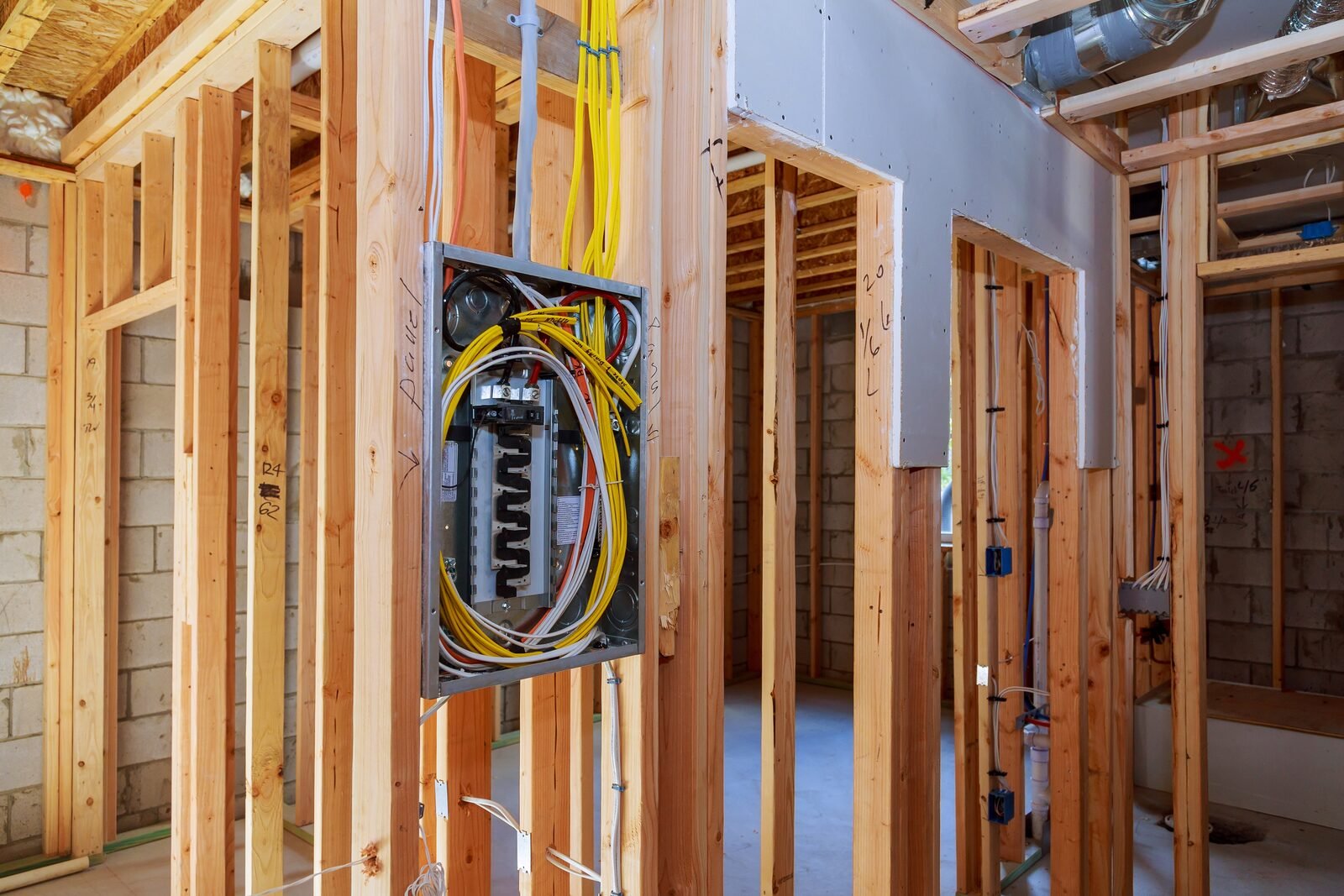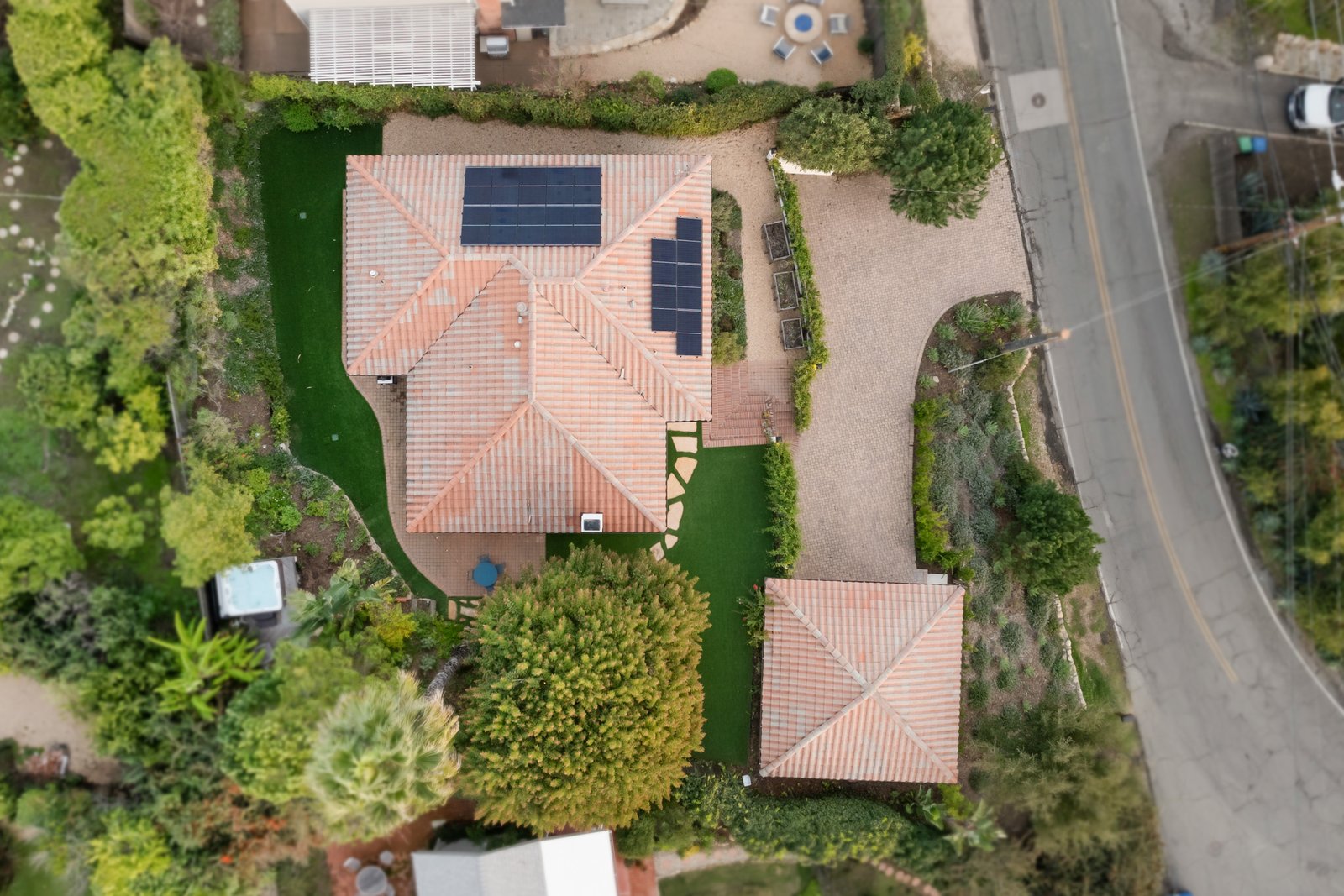

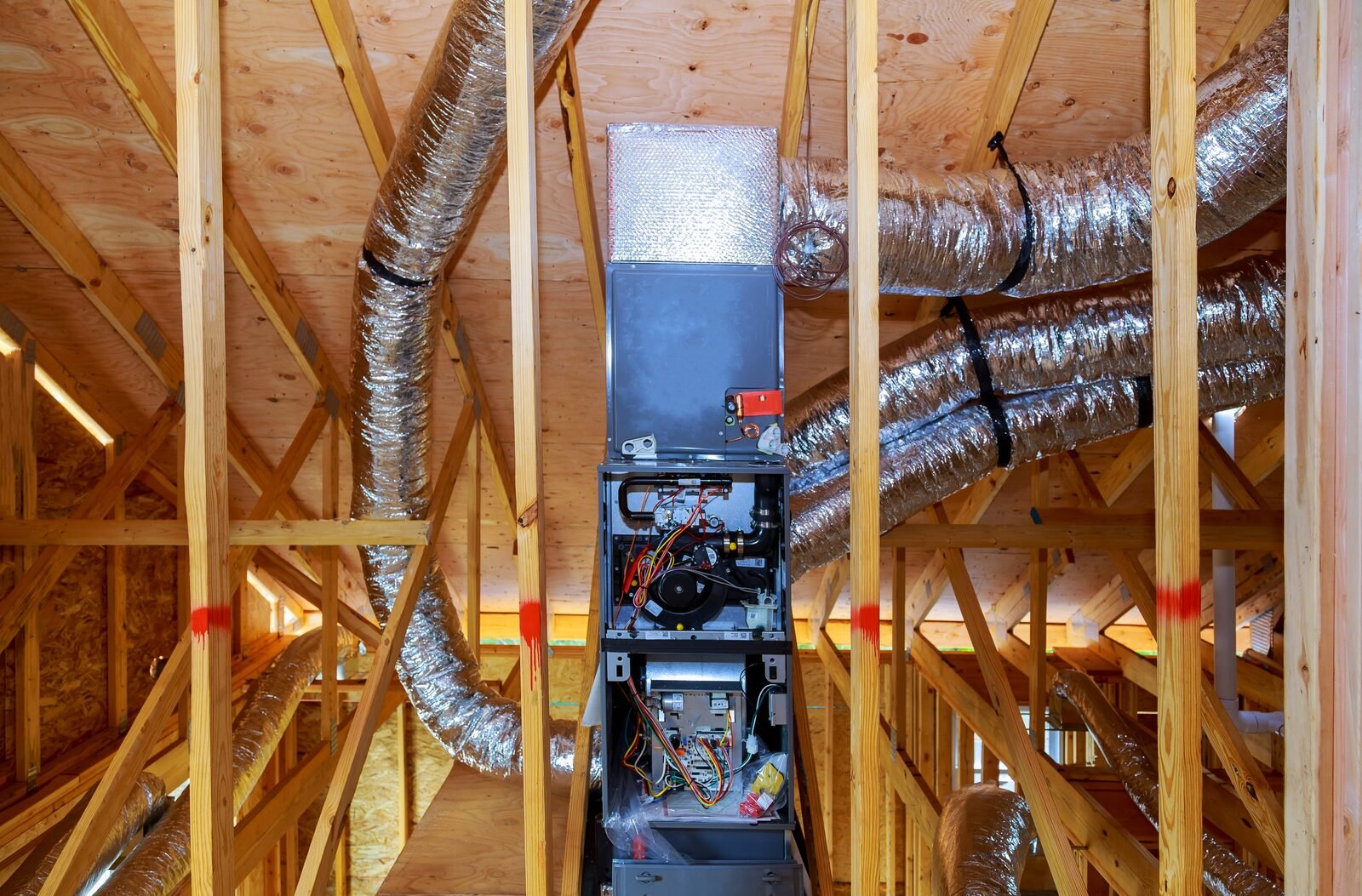
This article covers the same ground as the video below — geothermal heat pump technology, hydronic floor heating, zoned climate control, and ERV systems for fresh air in a tightly sealed home. This is Part 4 of an 8-part series.
Why fuel-based systems don't work here
Heating oil, propane, and natural gas all share the same fundamental problem: they require ongoing fuel delivery, they're expensive to operate, and their efficiency is capped by the combustion process. In rural Alaska, the logistics compound the cost — fuel delivered in freezing conditions, by road, to a location that may not be accessible in extreme weather. Electric baseboard heaters solve the delivery problem but introduce a different one: resistance heating converts electricity to heat at a 1:1 ratio, which is the least efficient conversion possible.
The solution is a system that doesn't burn anything — a heat pump. Heat pumps move thermal energy rather than generating it, which is why their efficiency (measured as coefficient of performance, or COP) can exceed 1. A COP of 4 means that for every 1 kWh of electricity consumed, 4 kWh of heating or cooling is delivered. That's the physics of heat transfer working in your favor.
Ground source geothermal
Air-source and water-source heat pumps lose efficiency as outdoor temperatures drop — the colder the source, the less heat there is to extract. In climates that see sustained sub-zero temperatures, this becomes a serious limitation. Ground source systems bypass the problem entirely. At a sufficient depth below the frost line, the earth maintains a stable temperature of 50–60°F regardless of surface conditions. Even at 40 below zero on the surface, the ground loop input temperature stays consistent, and the system maintains high efficiency.
The ground loop itself circulates a water-antifreeze mixture through underground pipes. The liquid absorbs heat from the earth and carries it back to the heat pump, where refrigerant with a low evaporation point absorbs that heat, converts to a gas, is compressed (raising its temperature), and transfers the heat to the home's distribution system. The same process runs in reverse for cooling. A horizontal loop configuration works well when there's enough land area — it avoids the cost of drilling for a vertical loop, at the expense of more surface area.
The WaterFurnace 5 Series is a strong fit for this application, particularly for water-to-water configurations that can simultaneously heat hydronic floors and produce domestic hot water. An electric backup heater handles edge cases when the geothermal system can't meet peak demand in the most extreme conditions.
Hydronic radiant heating
Forced air heating is loud, stirs up dust, and dissipates quickly — the heat rises, stratifies near the ceiling, and the room cycles through warm and cool as the system runs. Hydronic radiant heating works differently: hot water circulates through tubing embedded in the floor, and the heat radiates upward from the entire floor surface. The warmth is even, from the floor up, which closely matches the body's natural thermal comfort curve. Once the floor mass is heated, it holds temperature with minimal energy input.
A WaterFurnace water-to-water system feeds the hydronic distribution directly, with zone valves allowing different areas of the home to be maintained at different temperatures. Upstairs rooms, basements, and primary living areas can each have independent temperature targets. As a notable extension: hydronic tubing can also be embedded in outdoor surfaces — the driveway and walkways — to melt ice and snow automatically, eliminating manual snow removal and the associated hazards.
Energy recovery ventilation
A tightly sealed, well-insulated building envelope is excellent for energy efficiency, but it creates an air quality problem. Without ventilation, carbon dioxide accumulates, humidity builds, and VOCs from building materials and household products concentrate. You can't just open windows when it's minus 40 outside.
An energy recovery ventilator (ERV) solves this. It pulls stale air out of the house and pulls fresh air in, but passes both streams through a heat exchanger that transfers most of the thermal energy from the outgoing air to the incoming air. The house gets fresh air without losing most of the heat used to condition the indoor air. For a 3,300 square foot home, an ERV rated for at least 154 CFM (roughly 0.35 air changes per hour) handles the ventilation load. Renewaire makes ERV models suited for this scale of residential application.