
This article covers the same ground as the video below — a comprehensive tour of smart home sensor types, what they detect, and how they can be used in automations. Watch for the overview, read for the reference.
Why sensors matter
A smart home that only responds to manual commands isn't really smart — it's just remote control. What makes a home genuinely intelligent is the ability to detect what's happening in the physical environment and respond automatically. Sensors are what give your system that awareness.
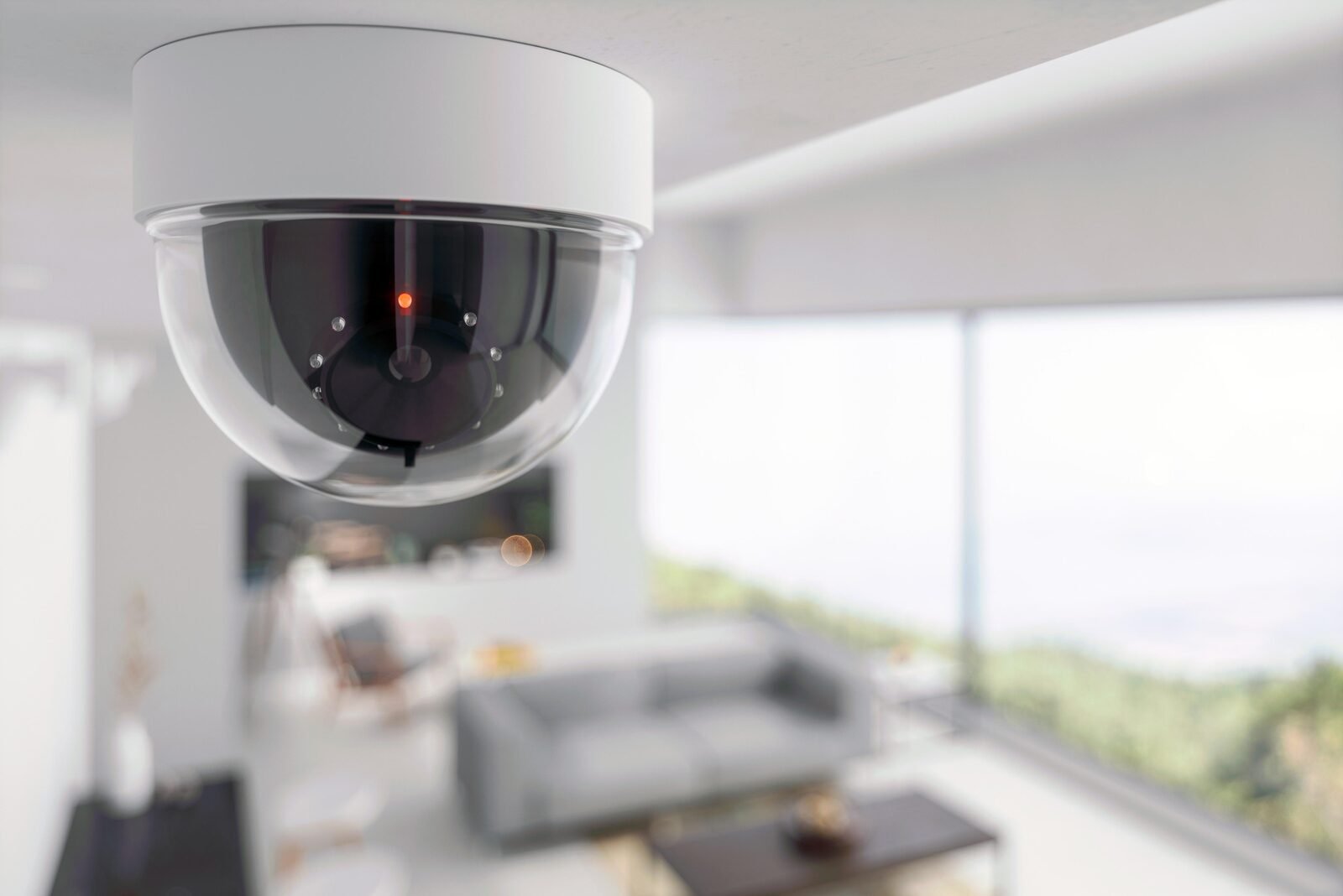
Many devices already have built-in sensors you may not be taking advantage of. A security camera often has both a motion sensor and a light sensor. A thermostat has a temperature sensor. Before adding dedicated hardware, inventory what your existing devices already expose.
Activity sensors
Activity sensors detect physical changes in the environment. The most common types:
Motion sensors detect movement using passive infrared (PIR), ultrasonic, or microwave technology. Advanced models can detect stationary people by measuring subtle movements like breathing, or differentiate between humans and animals. Useful for: room occupancy, automatic lighting, security alerts.
Vibration sensors convert mechanical vibration to electrical signals, detecting whether an attached object is being disturbed. Common in glass break detectors — the sensor detects the characteristic vibration pattern of breaking glass.
Noise sensors use small microphones to detect ambient sound levels. Useful in noise-restricted environments (apartments, rental properties) or to detect unusual sound events.
Force sensors detect whether constant force is being applied. Common uses: doormats for person or package detection, under-bed sensors for nighttime automations, parking sensors in garages.
Touch sensors (capacitive or resistive) detect physical contact with the sensor surface. Commonly used for control surfaces and button replacements.
Weight sensors measure a specific magnitude of force rather than just presence. A bathroom scale is the obvious example; pantry shelf sensors that alert when overloaded is a creative application.
Gyroscopic sensors detect position and inclination. Uncommon in typical smart homes but useful for monitoring things like deck sag, mail slot position, or whether a valve handle has been turned.
Proximity sensors measure an object's distance relative to the sensor. Useful for presence detection in a specific zone — like triggering the range hood when you're standing in front of the cooktop.
Contact sensors have two components that trigger when separated — the most common form of door and window sensor. Simple to install, versatile in application.
Air quality sensors
PM2.5 / PM10 sensors detect fine particulate matter — smoke, pollen, dust. Useful for triggering ventilation when air quality degrades.
VOC sensors detect volatile organic compounds released by gas stoves, aerosols, cleaning products, and off-gassing materials. In enclosed spaces, VOC buildup can be harmful even when odorless.
CO and CO2 sensors monitor carbon monoxide and carbon dioxide concentrations. CO is odorless, tasteless, and fatal at high concentrations; CO2 impacts cognitive function at elevated levels. Both warrant dedicated sensors in occupied spaces.
Radon sensors detect radon gas, which seeps from the ground in some geological areas. If radon is a known issue in your region, a proper mitigation system is the solution — the sensor serves as a secondary monitor and alert mechanism.
Gas leak sensors detect specific combustible gases using catalytic bead or semiconductor technology. Integrate with automations to trigger ventilation and alert you the moment a leak is detected.
Temperature and humidity
Temperature sensors in individual rooms provide far more accurate data than a single thermostat in a hallway. Combined with zone valves or ductwork dampers, per-room temperature sensors enable true zoned climate control. Most temperature sensors also report relative humidity — useful for detecting moisture problems before they become mold problems.
Water sensors
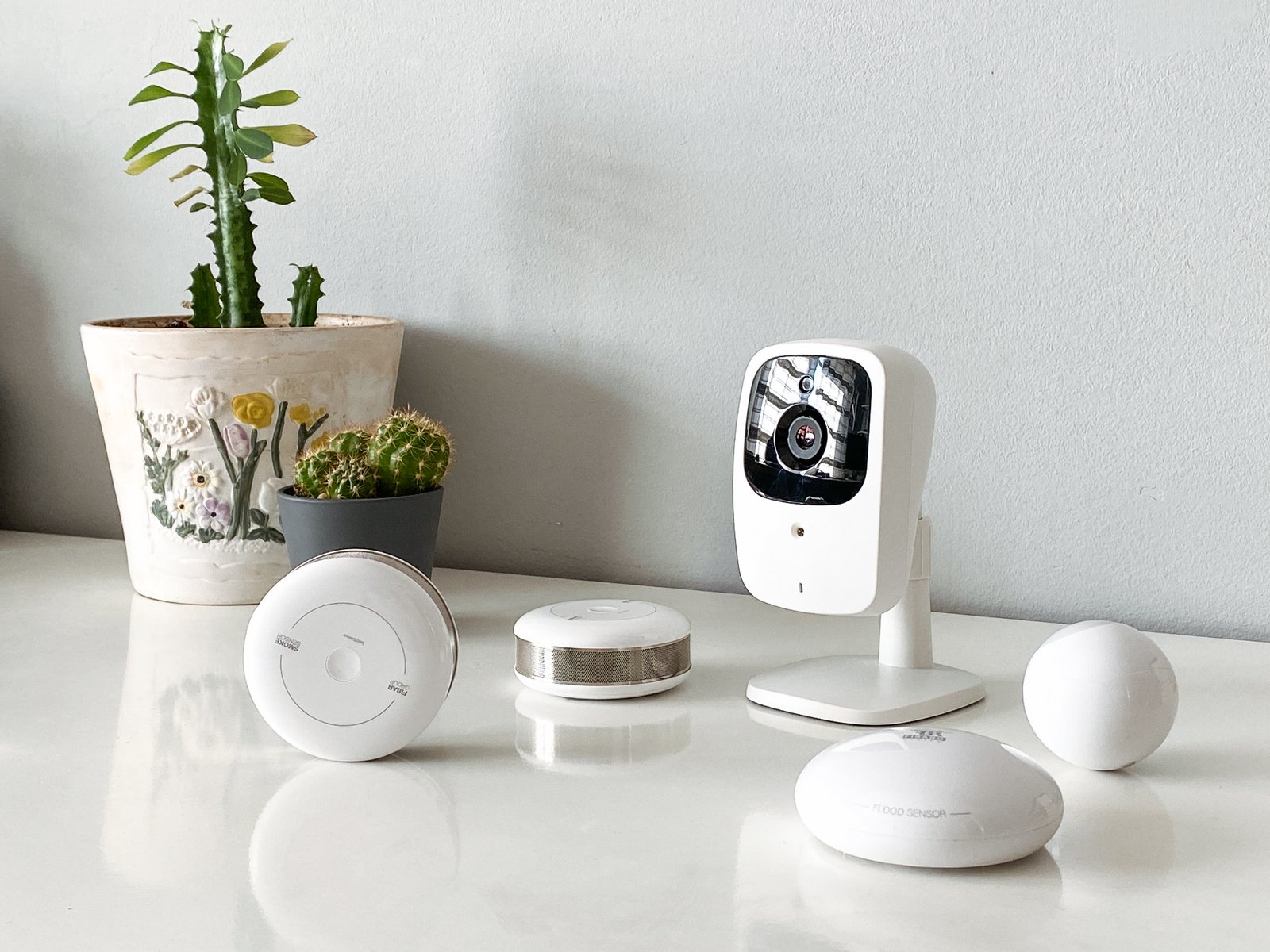
Leak sensors detect standing water. Advanced ultrasonic models can detect slow drips that don't produce puddles. A $20 leak sensor under the kitchen sink can prevent thousands of dollars in water damage.
Soil moisture sensors measure water content in soil by electrical conductivity. Useful for automated garden watering schedules based on actual soil conditions rather than timers.
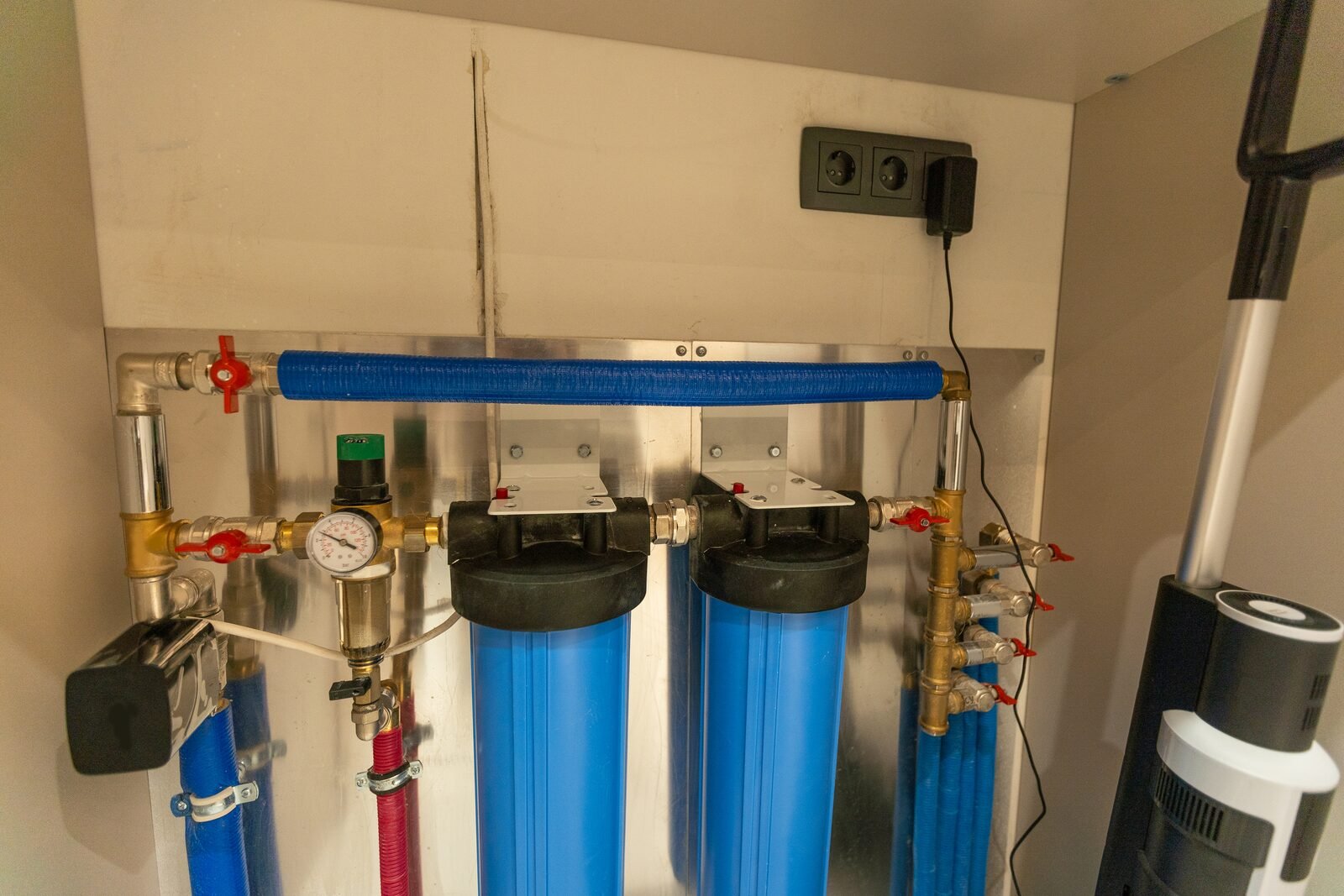
Flow rate sensors measure water flow within pipes. Monitoring flow at key points — the main supply line, each manifold branch — enables detection of abnormal consumption and frozen pipe conditions.
Water quality sensors monitor pH, dissolved solids, and turbidity. Most relevant for homes on well water with treatment systems, where monitoring the quality of treated water is important for both health and equipment maintenance.
Volume sensors (hydrostatic) measure fluid level in tanks by pressure. Used in fuel oil storage tanks, propane tanks, and rainwater collection systems to monitor remaining volume and trigger refill alerts.
Energy sensors
Energy sensors monitor electrical consumption at the outlet, circuit, or panel level. Smart outlets that monitor per-outlet wattage are the most granular option. Smart circuit breaker panels like the Span panel monitor at the circuit level and can remotely control individual circuits. Energy data enables automations that alert you to unusual consumption, turn off devices when not in use, and designate which circuits stay online during a power outage when running on battery backup.
Light sensors
Photocell-based light sensors measure ambient light level. Common uses: dusk-to-dawn outdoor lighting control, automated blind adjustments to block direct sunlight throughout the day, and triggering lighting scenes based on natural light conditions rather than fixed schedules.
Weather sensors
Home weather stations measure temperature, humidity, pressure, wind speed, and rainfall at your specific location. For automations, local weather data is more accurate than regional forecasts. Cloud-based weather services can also feed into your smart home for anticipatory automations — disabling lawn irrigation before rain arrives, for instance.