
This article covers the same ground as the video below — prefab construction methods, smart wall systems, and why the building structure matters when designing a technology-first home. This is Part 2 of an 8-part series.
Why the building itself is a smart home decision
Most smart home projects start inside an existing house. The structure is fixed. Walls are where they are, wiring runs where it runs, and every new run requires fishing cables through insulation and drywall that was never designed to accommodate them. It works, but the constraints compound with every system you add.
Starting from scratch means the structure itself can be designed around the systems it will house. The wall cavities, conduit runs, outlet placement, and insulation strategy can all be planned before a single panel goes up — and a smart wall system makes this significantly easier.
Prefabricated construction
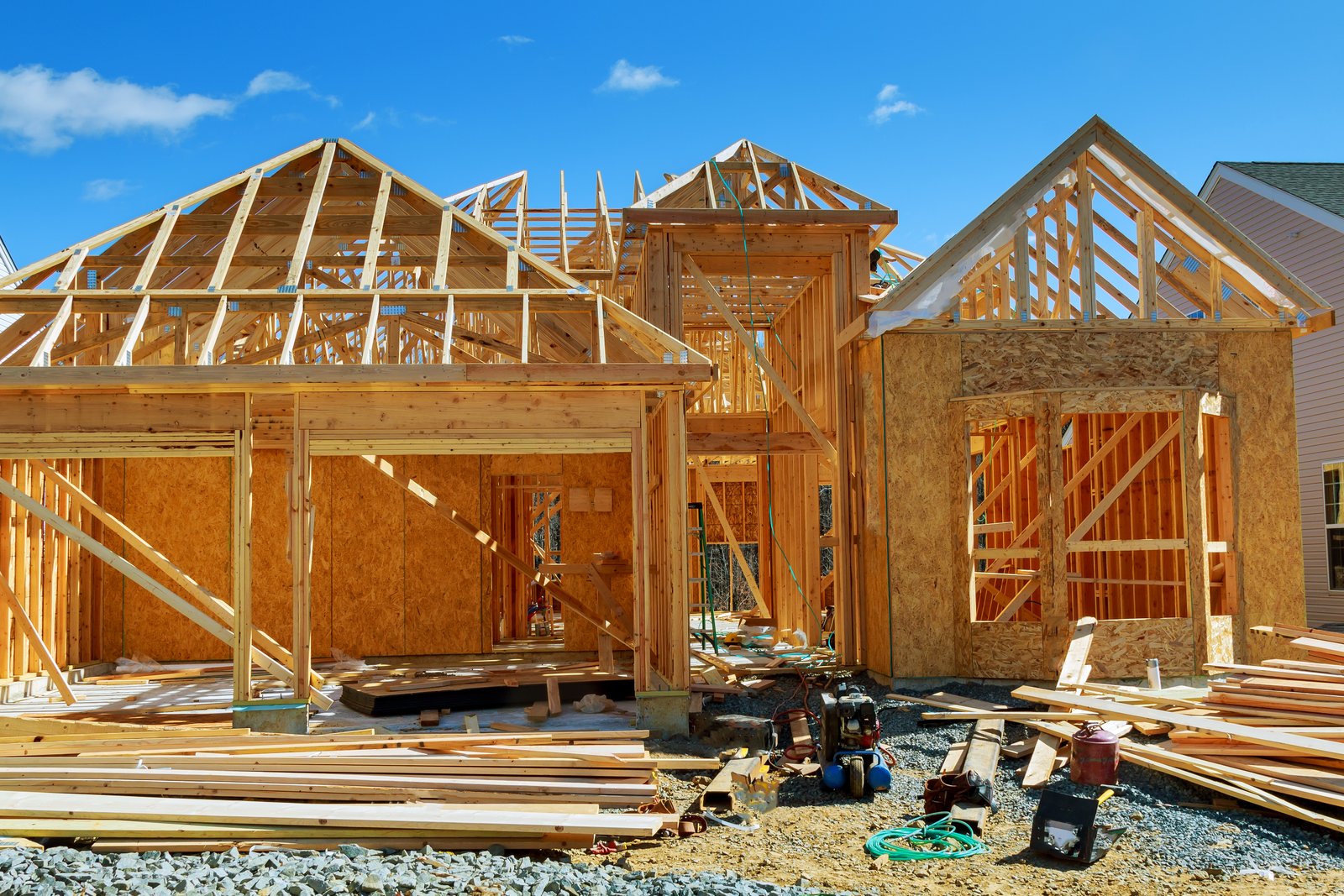
The prefab approach — building panels and components in a controlled factory environment, then assembling on-site — offers real advantages over traditional stick-built construction. Material use is optimized through computer-aided drafting, producing less waste. Everything arrives on-site ready to assemble. In some cases, with the foundation prepped in advance, the complete building shell including the roof can go up in a matter of days.
Not all prefab manufacturers lock you into stock designs. Companies like Pacific Homes and Unity Homes offer full custom builds, allowing the structure to be adapted around your specific requirements — garage placement, entry layout, system infrastructure locations, and so on.
The Pacific Smart Wall system
The wall system that stands out for a smart home application is Pacific Homes' Pacific Smart Wall. It's built to exact specs in a climate-controlled facility, with a focus on thermal efficiency and reduced thermal bridging.
Thermal bridging is heat that escapes directly through the structural studs. In conventional walls, insulation fills the bays between studs, but the studs themselves conduct heat straight through — creating thermal weak points that degrade the overall wall performance. The Smart Wall addresses this with thermal breaks on every major stud and factory-installed EPS insulation integrated throughout the panel. The result is an airtight, thermally efficient wall that performs consistently across its entire surface.
The system also includes horizontal raceways built into the panel structure — channels that make it straightforward to route electrical wiring and plumbing without disrupting the insulation layer. This is similar to structural insulated panels (SIPs) in concept, but with a key difference: the Smart Wall retains real structural studs inside the panel, which means mounting fixtures, outlets, hose bibs, and other attachments is handled exactly like a conventional wall. No specialized mounting hardware, no hunting for backing.
Why structure should come before technology
If you're building a home with solar, geothermal HVAC, a well, septic, and a full smart home control system, every one of those systems imposes requirements on the structure. Where does the geothermal loop connect to the mechanical room? Where do the solar conduits run? Where does the network rack go, and what cable runs does it need? Starting with prefab and a smart wall system means these questions can be answered during the design phase — before the concrete is poured — rather than retrofitted into a structure that was never designed to accommodate them.