
This article covers the same ground as the video below — a ground-up smart home design starting with property selection, energy systems, and self-sufficiency. This is Part 1 of an 8-part series. Watch for the visualizations; read for the reference.
Starting from scratch
Most homes were built long before smart technology existed. Retrofitting smart devices into a house that was never designed for them is the reality for most people — working around limited electrical infrastructure, inconvenient outlet placement, walls full of solid blocking, and no conduit anywhere. After a decade of retrofitting, the question becomes: what would I do differently if I could start over?
This series works through a complete ground-up smart home design, one system at a time. It's a thought experiment rooted in real products and real decisions — not a generic wishlist. Each part covers a specific layer: the property and power systems, the structure, electrical, HVAC, water, security, networking, and control. This is Part 1: the land and the energy infrastructure that makes everything else possible.
Property requirements
The goal is self-sufficiency, and that requires space — more than a typical suburban lot provides. The target property is over 3 acres: flat, away from neighbors, with enough open land for ground-mounted solar panels, geothermal loop installation, and potentially a well and septic system. Municipal utilities are a dependency you can eliminate, and doing so removes both the ongoing cost and the single point of failure.
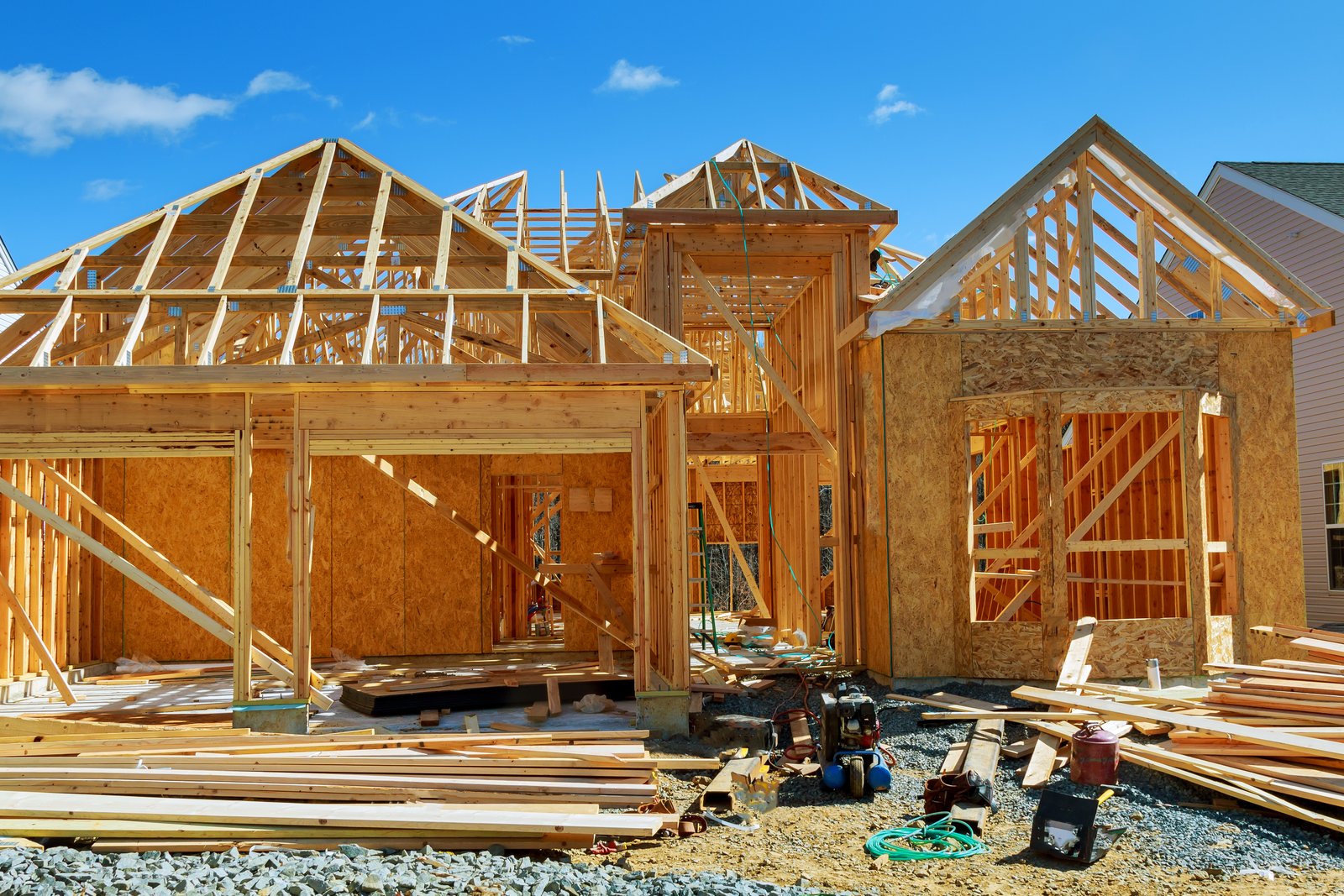
The home itself targets 3,300 square feet — room for the systems we'll be installing without being excessive. A prefabricated design from Pacific Homes provides a starting point, with full customization to accommodate the garage, entry layout, and system infrastructure we need.
Well and septic
Municipal water and sewer connections require ongoing dependency on infrastructure you don't control, and they're unavailable on many rural lots anyway. A private well provides a reliable water supply at the cost of drilling and equipment. A properly sized septic system handles all wastewater — gray water, black water, and system discharge — without any connection to the municipal sewer network. Together, they complete the utility independence picture: energy, water, and waste all handled on-site.
Heating and geothermal
Alaska's climate demands a heating system that performs reliably at extreme temperatures. Propane, heating oil, and natural gas are expensive to deliver and introduce ongoing fuel dependency. Electric baseboard heaters are inefficient. The solution is a ground source geothermal heat pump, which uses the stable 50–60°F temperature of the earth below the frost line to heat and cool the home regardless of surface conditions. Even at 40 below zero, a ground source system remains viable — where air-source and water-source heat pumps lose efficiency dramatically, the ground loop maintains stable input temperatures.
With enough acreage, a horizontal ground loop can be used instead of more expensive vertical drilling. The loop runs outward from the house at a depth below the frost line, covering a larger area but avoiding the cost of a drill rig.
Solar and wind power
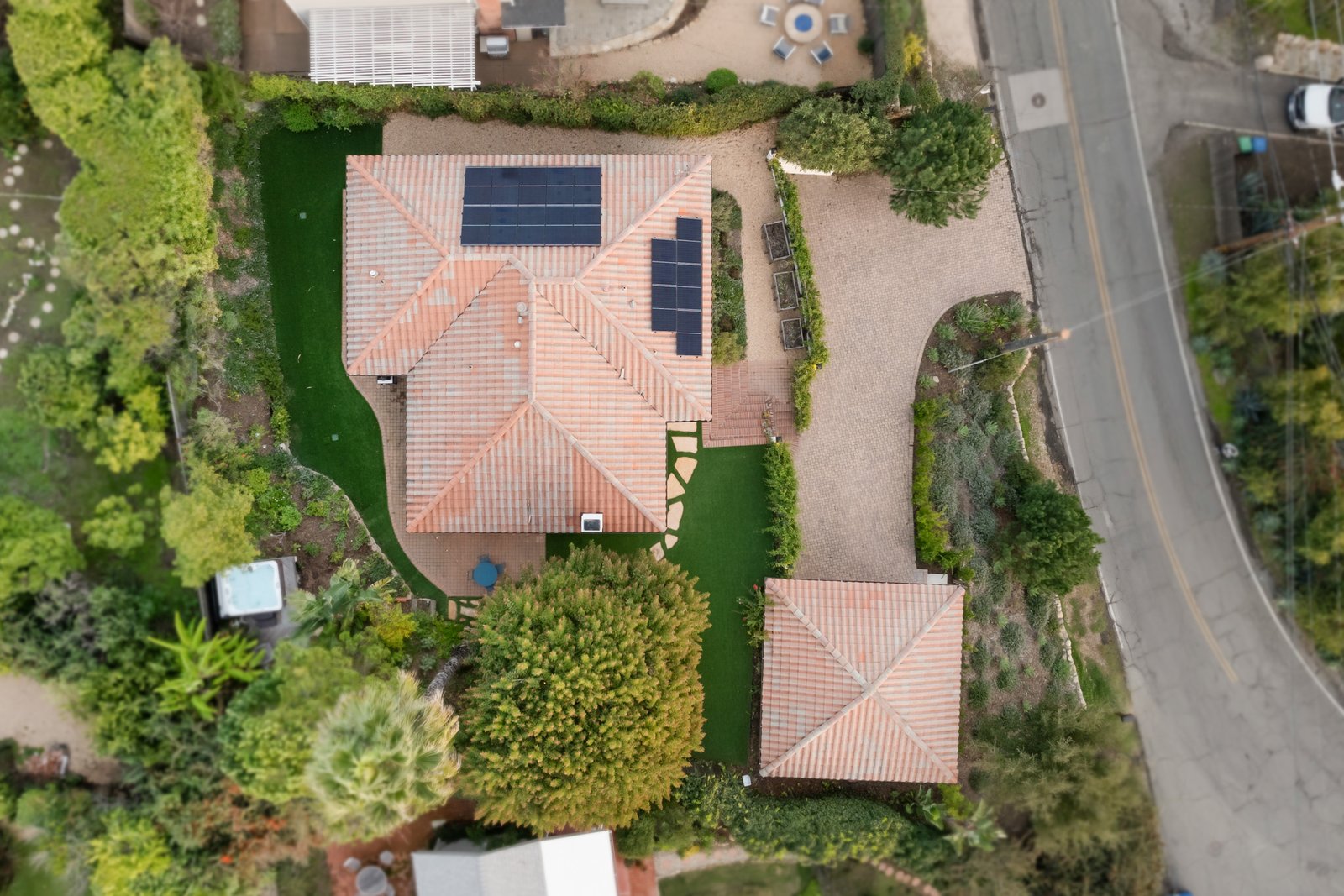
Grid electricity in many areas relies on coal and natural gas, making it both expensive and carbon-intensive. Ground-mounted solar panels — positioned for maximum sun exposure without roof obstructions — are the primary power generation source. In Alaska, summer generation is excellent due to extended daylight. Winter is the challenge: December and January see very limited sun, which makes bifacial panels worth considering. They capture reflected light from snow on the ground, providing some additional generation during the darkest months.
Wind turbines supplement the solar array, particularly during the winter months and overcast periods when solar generation drops. A battery storage system captures excess generation for use during outages or low-generation periods. The grid connection is maintained as an emergency backup, but the goal is to rarely need it.